The short versionBản rút gọn
- Your FBA capacity limit is one monthly number, set in cubic feet. IPI is an input to it, not the limit itself.
- Excess and stranded units are charged twice: storage now, and the cubic feet you will want back at peak.
- Both levers that move IPI fastest take weeks to show in the score, so a panic clear-out in October is late.
- Every figure here is in your own account. Read yours; do not plan against a number printed in a blog.
- FBA capacity limit là một con số duy nhất theo tháng, tính bằng cubic feet. IPI là đầu vào của nó, không phải bản thân cái limit.
- Hàng dư và hàng kẹt bị tính tiền hai lần: phí lưu kho lúc này, và phần cubic feet bạn cần lại vào mùa cao điểm.
- Cả hai đòn bẩy kéo IPI nhanh nhất đều mất vài tuần mới lên điểm, nên tới tháng 10 mới dọn là muộn.
- Mọi con số trong bài đều nằm trong account của bạn. Đọc số của bạn, đừng lên kế hoạch theo con số in trong blog.
Most of what is published about this is out of date. Amazon replaced the old pair of controls — a storage limit and a weekly restock limit — with a single monthly FBA capacity limit, set in volume rather than units. If you are still planning against a restock limit counted in units, you are planning against a control that no longer exists.
Phần lớn nội dung viết về chuyện này đã cũ. Amazon bỏ cặp control ngày trước — một cái giới hạn lưu kho, một cái restock limit theo tuần — thay bằng một FBA capacity limit duy nhất theo tháng, đo bằng thể tích chứ không phải số unit. Ai còn lên kế hoạch theo restock limit tính bằng unit là đang bám vào một thứ không còn nữa.
The second problem is that IPI gets treated as the thing to fix. It is a reading, not the thing. The number you operate against is the limit in your Capacity Monitor; IPI is one of the inputs Amazon uses to set it.
Vấn đề thứ hai: IPI hay bị coi là thứ phải sửa. Nó là chỉ số phản ánh, không phải cái gốc. Con số bạn thực sự vận hành theo là limit trong Capacity Monitor; IPI chỉ là một trong các đầu vào để Amazon đặt ra nó.
What Amazon sets, and what it sets it fromAmazon đặt ra cái gì, và đặt từ đâu
Amazon's announcement of the change states the design in one sentence:
Amazon nói rõ thiết kế đó trong một câu — đại ý: một hạn mức duy nhất theo tháng, quyết định bạn được gửi vào và lưu bao nhiêu hàng ở Amazon:
"FBA capacity limits will resolve these pain points by offering a single monthly limit to determine how much inventory sellers can send to and store at Amazon."
Amazon, seller blog announcement on FBA capacity limitsAmazon, thông báo về FBA capacity limits trên blog cho seller
Three mechanics follow. It is measured in cubic feet, so two SKUs with the same unit count can consume very different amounts of it. It is announced in the third full week of each month, through the Capacity Monitor in Seller Central and by email. And alongside it Amazon publishes estimated limits for the following two months — the only forward signal the platform gives you.
Từ đó rút ra ba điểm. Limit đo bằng cubic feet, nên hai SKU cùng số lượng có thể ăn hai phần rất khác nhau. Limit tháng tới công bố vào tuần đầy đủ thứ ba mỗi tháng, qua Capacity Monitor trong Seller Central và qua email. Kèm theo là ước tính limit hai tháng kế tiếp — tín hiệu duy nhất để nhìn xa hơn một tháng.
Amazon names what sets the number: capacity limits are "influenced by sellers' IPI scores, as well as other factors such as sales forecasts for their ASINs, shipment lead time, and fulfillment center capacity." Two of those four have nothing to do with how tidily you hold stock. IPI is the part you control most directly, which is why it gets the attention, but it is one term in the expression.
Amazon có nói rõ con số đó đến từ đâu: capacity limit chịu ảnh hưởng của IPI, "as well as other factors such as sales forecasts for their ASINs, shipment lead time, and fulfillment center capacity". Hai trong bốn yếu tố chẳng liên quan gì tới việc bạn giữ kho gọn hay không. IPI là phần bạn tác động trực tiếp nhất nên được chú ý nhất, nhưng nó chỉ là một số hạng.
This is where the most repeated claim about IPI goes wrong. No published score entitles an account to a given limit; if you read that a particular IPI number unlocks unlimited storage, that is a rule from the system this one replaced. Amazon describes IPI as a score measuring inventory performance over time, built on balancing sold against on-hand inventory, avoiding excess and aged stock and long-term storage costs, fixing listing issues quickly, and keeping popular products in stock. The score is an input; the limit is the output, and the limit is in your account.
Đây là chỗ câu chuyện được nhắc nhiều nhất về IPI bị sai. Không có mốc điểm công bố nào bảo đảm cho account một mức limit nào cả; đọc thấy "IPI trên bao nhiêu thì lưu kho không giới hạn" nghĩa là bạn đang đọc luật của hệ thống đã bị thay. Amazon mô tả IPI là điểm đo hiệu quả quản lý tồn kho theo thời gian, dựa trên: cân đối hàng bán ra với hàng còn trong kho, tránh hàng dư và hàng nằm lâu cùng chi phí lưu kho dài hạn, xử lý listing issue nhanh, và giữ hàng bán chạy luôn còn để bán. Điểm là đầu vào; limit mới là đầu ra, và limit nằm trong account của bạn.
Your limit, your usage against it, the two forward estimates and the terms for requesting extra capacity are all in the Capacity Monitor in your own account. Amazon describes a route to request more capacity against a reservation fee you nominate; read the current terms there before you model anything around them.
Limit, mức đã dùng, hai ước tính phía trước và điều kiện xin thêm capacity đều nằm trong Capacity Monitor của chính account bạn. Amazon có mô tả cơ chế xin thêm capacity kèm mức reservation fee do bạn tự đưa ra; đọc điều kiện hiện hành ở đó trước khi tính toán dựa trên nó.
| SymptomTriệu chứng | Likely causeNguyên nhân thường gặp | Where to lookXem ở đâu |
|---|---|---|
| Next month's estimate is below this month's limitƯớc tính tháng sau thấp hơn limit tháng này | Sell-through slowing, or volume sitting too longSell-through chậm lại, hoặc hàng nằm quá lâu | Capacity Monitor, then the Inventory Performance dashboardCapacity Monitor, rồi Inventory Performance dashboard |
| IPI fell but sales did notIPI tụt mà doanh số không đổi | Units aged into the excess band, or listing issues left openHàng sang nhóm tồn dư, hoặc listing issue để treo | Inventory Performance dashboard, component by componentInventory Performance dashboard, xem từng thành phần |
| Units on hand, no sales, no error on the listingCòn hàng, không có đơn, listing không báo lỗi | The offer is not active — the units are strandedOffer không active — hàng đang stranded | The stranded inventory page under InventoryTrang stranded inventory trong mục Inventory |
| Usage is high while the unit count looks smallUsage cao mà số unit lại ít | Bulky SKUs. Capacity is volume, not unitsSKU cồng kềnh. Capacity tính bằng thể tích, không phải unit | Capacity Monitor usage, plus unit dimensions on the SKU recordUsage trong Capacity Monitor, cộng kích thước unit của SKU |
| The storage charge rose on the same stockCùng lượng hàng mà phí lưu kho tăng | Units crossed into an older age band, or a size tier was re-measuredHàng sang nhóm tuổi cũ hơn, hoặc size tier bị đo lại | Inventory age report, and the FBA charges in your payments reportsInventory age report, và phí FBA trong báo cáo payments |
| A shipment plan you already built will not fitShipment plan dựng xong rồi mà không đủ chỗ | No headroom left; the limit was read after the plan, not before itHết headroom; limit được đọc sau khi lên plan chứ không phải trước | Capacity Monitor, before you build the planCapacity Monitor, đọc trước khi dựng plan |
Why the ceiling moves against youVì sao cái trần siết lại
On the accounts we run the causes come in a fairly stable order. Work them in that order: the first two are cheap to fix, and the last is a pricing decision wearing an inventory costume.
Trên các account chúng tôi vận hành, nguyên nhân lặp lại theo thứ tự khá ổn định. Làm đúng thứ tự đó: hai cái đầu sửa rẻ, còn cái cuối thực chất là quyết định về giá đội lốt quyết định tồn kho.
- Excess and aged units. The most common by a distance. They hold cubic feet, they attract a higher storage charge the longer they sit, and they pull down the excess component of IPI. One SKU over-ordered a year ago does all three at once, quietly, because it raises no alert.Hàng dư và hàng nằm lâu. Phổ biến hơn hẳn phần còn lại. Nó chiếm cubic feet, càng nằm lâu phí lưu kho càng cao, và kéo tụt phần tồn dư của IPI. Một SKU nhập thừa từ năm ngoái làm cả ba việc đó cùng lúc, âm thầm, vì nó không bắn alert nào.
- Stranded units. Amazon defines stranded inventory as product in a fulfilment centre with no active offer. It occupies volume, produces no sell-through, and nothing on the sales side reports it: an ASIN with no offer simply leaves the numbers you read. That is a listing failure with an inventory consequence, which is why why listings go dark and how to clear them treats it as a catalogue problem.Hàng stranded. Amazon định nghĩa stranded inventory là hàng nằm trong fulfilment centre mà không có offer nào active. Nó chiếm thể tích, không tạo sell-through, và phía doanh số không báo gì: ASIN không có offer thì biến mất khỏi các con số bạn hay xem. Đây là lỗi listing kéo theo hậu quả tồn kho, nên bài vì sao listing tắt và cách giải phóng xử nó như chuyện catalogue.
- Listing issues left open. How quickly you fix them is one of the things IPI reflects, and most of those waits are waiting on a person rather than on Amazon.Listing issue để treo. Tốc độ xử lý là một trong những thứ IPI phản ánh, và phần lớn những cái chờ đó là chờ một người, không phải chờ Amazon.
- Sell-through falling on the SKUs that carry the account. Sales forecasts feed the limit. When demand on your biggest ASINs softens, the ceiling follows it down at the point in the year you want it to rise.Sell-through tụt trên đúng những SKU gánh cả account. Dự báo doanh số là đầu vào của limit. Nhu cầu của các ASIN lớn nhất chững lại thì cái trần đi xuống theo, đúng lúc trong năm bạn cần nó đi lên.
- Bulk. Capacity is volume, so a cheap bulky SKU can hold more of your limit than the compact one that pays for the business. Nothing is broken; the arithmetic is being done for you by whatever you shipped last. This one needs a decision, not a fix.Độ cồng kềnh. Capacity tính bằng thể tích, nên một SKU rẻ và to có thể chiếm phần limit lớn hơn cả SKU nhỏ gọn đang nuôi doanh nghiệp. Không có gì hỏng; phép tính đang bị quyết định bởi lô hàng bạn gửi gần nhất. Cái này cần một quyết định, không phải thao tác sửa.
Read your own numbers firstĐọc số của chính bạn trước
About an hour, and it replaces every guess above with a fact. The last step depends on the first four.
Khoảng một tiếng, và nó thay toàn bộ phần phỏng đoán ở trên bằng dữ liệu. Bước cuối phụ thuộc vào bốn bước trước.
- Open the Capacity Monitor. Write down this month's limit, your usage against it, and the estimates for the two months after. Estimates trending down make everything below urgent.Mở Capacity Monitor. Ghi ra limit tháng này, mức đã dùng, và ước tính hai tháng tiếp theo. Ước tính đi xuống thì mọi thứ bên dưới là việc gấp.
- Open the Inventory Performance dashboard and read which component moved. IPI is composite and the dashboard shows the parts; guessing which part moved is the most common wasted afternoon in this job.Mở Inventory Performance dashboard và xem thành phần nào đã đổi. IPI là điểm tổng hợp, dashboard có tách phần; ngồi đoán phần nào tụt là buổi chiều bị phí phổ biến nhất trong nghề này.
- Pull the stranded list and count it. The number you want is zero, and anything older than a week needs a person's name against it.Kéo danh sách stranded ra và đếm. Con số bạn muốn là 0, và cái nào nằm quá một tuần thì phải gán tên một người vào.
- Pull the inventory age report and mark every SKU whose oldest units are about to cross into a higher charge band. That is where waiting has a price attached.Kéo inventory age report và đánh dấu mọi SKU có lô cũ nhất sắp sang nhóm tính phí cao hơn. Đó là chỗ mà chần chừ có giá cụ thể.
- Build the column your reports do not give you: cubic feet on hand per dollar of trailing revenue, per SKU. Unit dimensions sit on the SKU record; multiply by fulfillable units, divide by that SKU's revenue over the last ninety days, sort descending. The top of that list is your removal shortlist, and it is rarely the list anyone expected.Tự dựng cột mà không báo cáo nào cho sẵn: cubic feet đang giữ trên mỗi đô doanh thu gần đây, theo từng SKU. Kích thước unit nằm trên record của SKU; nhân với số unit còn bán được, chia cho doanh thu chín mươi ngày gần nhất của SKU đó, sắp xếp giảm dần. Đầu danh sách là diện cân nhắc removal, và hiếm khi giống danh sách ai cũng nghĩ.
Storage cost per unit tells you what a SKU costs. Cubic feet per dollar of revenue tells you what it costs you, in the currency the limit is denominated in.
Phí lưu kho trên mỗi unit cho biết một SKU tốn bao nhiêu. Cubic feet trên mỗi đô doanh thu cho biết nó tốn của bạn bao nhiêu, tính bằng đúng đơn vị mà cái limit đang dùng.
The two levers, and the trapHai đòn bẩy, và cái bẫy
Two actions move the score faster than the rest, and a third stops it coming back. Neither of the first two is instant: both are measured over a trailing window, so a clean-up finished today shows up over the following weeks.
Hai việc kéo điểm nhanh hơn hẳn phần còn lại, và một việc thứ ba giữ cho nó không tụt lại. Hai việc đầu không có tác dụng tức thì: cả hai đo trên cửa sổ trượt, nên dọn xong hôm nay thì vài tuần sau mới thấy.
Clear the stranded units firstGiải phóng stranded inventory trước
These are the cheapest thing on the list, because most are fixed by editing a listing rather than moving a box. Sort by reason and batch by type: price corrections in one pass, relists in another, anything waiting on a document in a third. The reason codes repeat, and one ASIN at a time is the slow way through.
Đây là thứ rẻ nhất để xử, vì phần lớn chỉ cần sửa listing chứ không phải đụng tới thùng nào. Sắp xếp theo reason rồi gom việc theo nhóm: sửa giá một lượt, relist một lượt, cái nào chờ giấy tờ để riêng. Reason code lặp lại nhiều, làm từng ASIN một là cách đi chậm nhất.
Two limits worth stating. Clearing a stranded listing does not recover the storage you have already paid on those units; it stops the meter, that is all. And a relist nobody buys has turned a stranded problem into an excess one without changing the volume you hold.
Hai giới hạn cần nói thẳng. Giải phóng một listing stranded không lấy lại được phí lưu kho đã trả cho số hàng đó; nó chỉ dừng đồng hồ. Và relist xong mà không ai mua thì chỉ là đổi vấn đề stranded thành vấn đề tồn dư, thể tích bạn giữ vẫn y nguyên.
Remove stock that is genuinely deadBỏ hàng chết thật sự
The word doing the work there is genuinely. A SKU is a removal candidate when it sits near the top of your cubic-feet-per-dollar list, its oldest units are approaching a higher charge band, and you cannot name a reason it sells next quarter that is not hope. Two out of three is not enough.
Chữ quan trọng nhất là thật sự. Một SKU đáng đưa vào diện removal khi: nằm gần đầu danh sách cubic feet trên mỗi đô, lô cũ nhất sắp sang nhóm phí cao hơn, và bạn không nêu được lý do cụ thể nào để nó bán được quý tới ngoài chữ "hy vọng". Đủ hai trong ba là chưa đủ.
Removals carry a fee and a lead time, so the decision has a deadline built in. Take the fee from the fee preview for your own SKU and size tier, and weigh it against the storage you would otherwise pay for the rest of the year — not against what the units cost to make. That money is already spent.
Removal có phí và có thời gian xử lý, nên quyết định này tự mang theo hạn chót. Lấy phí từ fee preview cho đúng SKU và size tier của bạn, rồi đặt cạnh phần lưu kho sẽ phải trả tới cuối năm — không phải cạnh giá vốn sản xuất. Tiền làm ra lô hàng đó đã tiêu rồi.
Stop next month's excess at the planChặn hàng dư ngay ở shipment plan
Every unit of excess you are removing today arrived on a shipment plan somebody approved. Before building the next one, read the headroom left this month and the estimate for the month after, and price the plan in cubic feet as well as units. If a quarter of your remaining volume goes to a bottom-quartile SKU, at least someone chose that on purpose.
Mọi unit hàng dư bạn đang bỏ hôm nay đều từng vào kho qua một shipment plan có người duyệt. Trước khi dựng plan tiếp theo, đọc headroom còn lại của tháng này và ước tính tháng sau, rồi tính giá cái plan đó bằng cubic feet chứ không chỉ bằng unit. Nếu một phần tư thể tích còn lại đổ vào một SKU nhóm cuối về doanh thu, ít nhất đó là lựa chọn có người cố ý đưa ra.
The cost chain, in the order it runsChuỗi chi phí, theo đúng thứ tự nó chạy
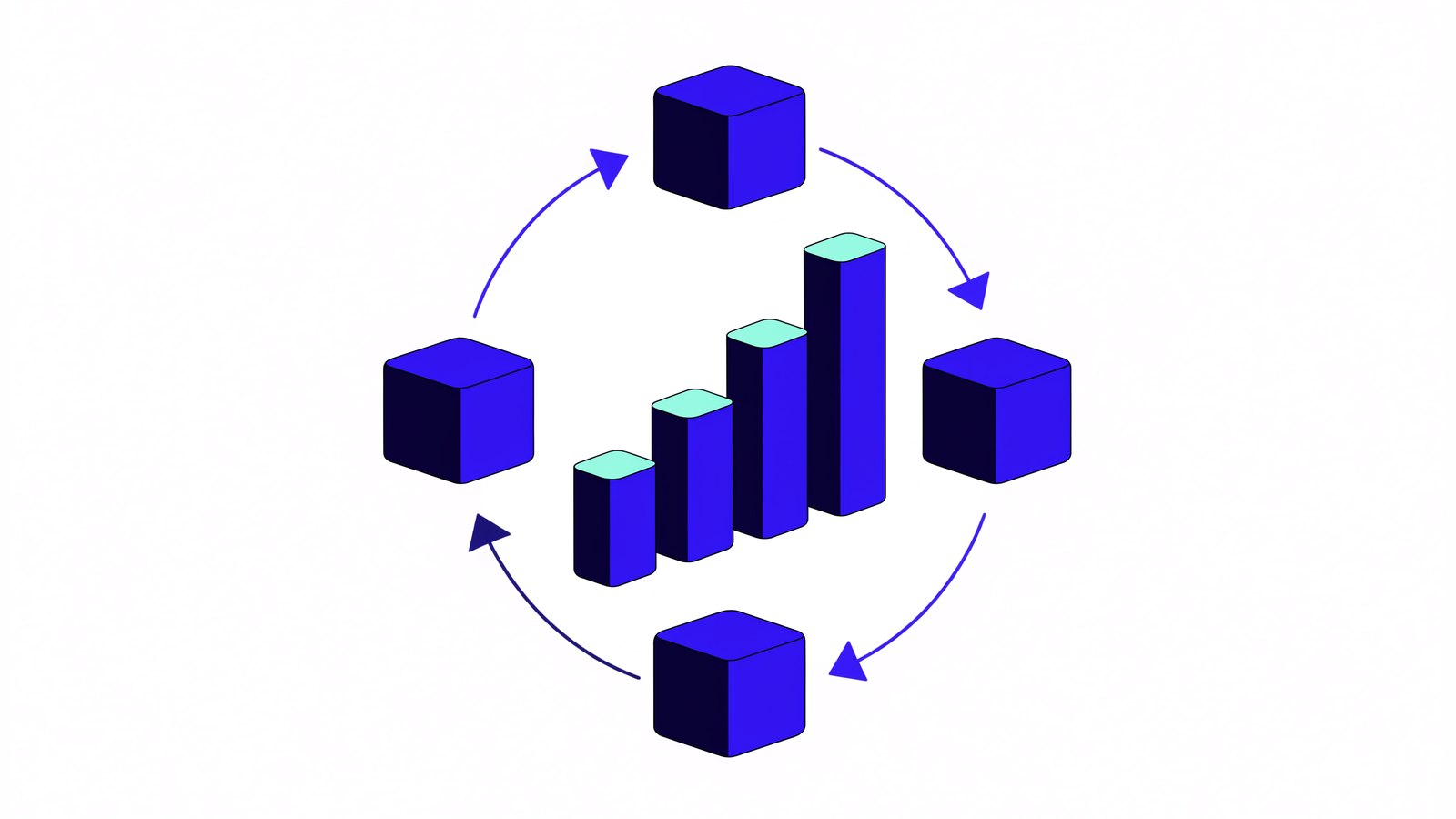
The costs compound in a loop, and the loop is what turns a mild problem in spring into a hard constraint in autumn. Excess inventory is charged storage, and the charge rises as the units age. That same inventory occupies cubic feet inside a limit you will want back at peak. It drags the excess and sell-through parts of IPI. And IPI is an input to next month's limit, so the volume you waste today narrows the volume you are allowed tomorrow.
Chi phí cộng dồn theo một vòng lặp, và chính vòng lặp đó biến một vấn đề nhẹ hồi đầu năm thành ràng buộc cứng vào cuối năm. Hàng dư bị tính phí lưu kho, càng nằm lâu phí càng cao. Cũng số hàng đó chiếm cubic feet trong cái limit mà mùa cao điểm bạn sẽ cần. Nó kéo tụt phần tồn dư và sell-through của IPI. Mà IPI lại là đầu vào cho limit tháng sau, nên phần thể tích lãng phí hôm nay chính là phần bị cắt của ngày mai.
The failure mode that produces is specific, and we see it every year. An account notices the score late in the third quarter, removes inventory in a hurry, pays removal fees on units that would have sold at peak, and stocks out in the week that mattered. The score improved and the business did worse.
Kiểu hỏng nó sinh ra rất cụ thể, và năm nào chúng tôi cũng gặp. Account nhìn thấy điểm tụt vào cuối quý ba, vội vàng removal, trả phí removal cho đúng những unit lẽ ra bán được vào mùa cao điểm, rồi hết hàng đúng tuần quan trọng nhất. Điểm đẹp lên, việc kinh doanh tệ đi.
The early signal that the loop is running, rather than has already run, is the pair of forward estimates. A flat limit with estimates stepping down two months out is the platform telling you something about your sell-through before your own reports do.
Tín hiệu sớm cho biết vòng lặp đang chạy — chứ chưa chạy xong — nằm ở cặp ước tính phía trước. Limit đứng yên nhưng ước tính hai tháng sau đi xuống nghĩa là nền tảng đang nói cho bạn biết điều gì đó về sell-through, sớm hơn báo cáo nội bộ của bạn.
We will not name a target IPI score for your account, and we will not file removal orders to move a number. Removals are decided per SKU against storage cost and realistic sell-through, in writing, with your approval — never to make a dashboard look better before a review.
Chúng tôi không đặt mốc IPI mục tiêu cho account của bạn, và không tạo removal order chỉ để đẩy một con số. Removal được quyết theo từng SKU, đặt cạnh phí lưu kho và khả năng bán thực tế, có ghi lại bằng văn bản và có bạn duyệt — không bao giờ chỉ để dashboard đẹp hơn trước một buổi review.
Making it a standing checkBiến nó thành việc định kỳ
The limit is announced monthly and demand moves weekly, so this needs two rhythms. The monthly pass sits in the third full week, when the new limit and the two estimates land. The weekly pass is the restock decision, where the headroom you have left constrains the plan instead of surprising you after it is built — the argument in building a replenishment cadence that survives peak season.
Limit công bố theo tháng còn nhu cầu đổi theo tuần, nên việc này cần hai nhịp. Nhịp tháng rơi vào tuần đầy đủ thứ ba, lúc limit mới và hai ước tính về. Nhịp tuần là lúc quyết restock, khi headroom còn lại là ràng buộc đặt lên plan chứ không phải thứ bạn phát hiện sau khi dựng xong — đúng lập luận trong bài xây nhịp nhập hàng sống sót qua mùa cao điểm.
- Read the Capacity Monitor: this month's limit, usage against it, both forward estimates.Đọc Capacity Monitor: limit tháng này, mức đã dùng, cả hai ước tính phía trước.
- Open the Inventory Performance dashboard and name the component that changed.Mở Inventory Performance dashboard và gọi tên thành phần đã thay đổi.
- Count the stranded list; put a person's name against anything older than a week.Đếm danh sách stranded; gán tên người phụ trách cho mọi mục quá một tuần.
- Sort fulfillable units by cubic feet per dollar of trailing revenue; read the top ten.Sắp xếp hàng còn bán được theo cubic feet trên mỗi đô doanh thu; đọc mười dòng đầu.
- Scan the inventory age report for units about to cross into a higher charge band.Rà inventory age report tìm lô sắp sang nhóm phí cao hơn.
- Check what is inbound but not yet received against the headroom left this month.Đối chiếu hàng inbound chưa được nhận với headroom còn lại của tháng.
- Confirm the automatic removal settings in your FBA settings are what you chose, not the default.Kiểm tra thiết lập removal tự động trong FBA settings đúng là thứ bạn chọn, không phải mặc định.
Run that and you can open the Capacity Monitor and say in one sentence which of your SKUs is holding the cubic feet, and whether that is a decision or an accident. What none of it tells you is whether a SKU deserves restocking at all. That is a margin question, and a unit that passes every capacity test here can still lose money on every sale.
Chạy hết phần đó thì bạn mở Capacity Monitor lên là nói được trong một câu: SKU nào đang giữ phần cubic feet, và đó là quyết định hay tai nạn. Cái nó không trả lời được là SKU đó có đáng nhập tiếp không. Đấy là câu hỏi biên lợi nhuận, và một unit vượt qua mọi phép thử capacity trong bài vẫn có thể lỗ trên từng đơn.
This work happens on the Capacity Monitor, the Inventory Performance dashboard and the stranded inventory page under Inventory. Reading them needs View on the FBA inventory pages; fixing a stranded offer, creating a removal order or building a shipment plan needs Edit on Manage FBA Inventory and Manage FBA Shipments, because each of those writes a change into your account.
Phần việc này nằm ở Capacity Monitor, Inventory Performance dashboard và trang stranded inventory trong mục Inventory. Chỉ để đọc thì cần quyền View trên các trang FBA inventory; còn sửa một offer đang stranded, tạo removal order hay dựng shipment plan thì cần Edit trên Manage FBA Inventory và Manage FBA Shipments, vì mỗi thao tác đó đều ghi thay đổi vào account của bạn.
The Mavenic App connects read-only through SP-API. Managed account management is done by Wicom staff working inside your Seller Central account under the user permissions you grant and can withdraw at any time.
Mavenic App kết nối chỉ đọc qua SP-API. Dịch vụ quản lý tài khoản do nhân sự Wicom trực tiếp thao tác trong Seller Central của bạn, theo đúng quyền bạn cấp và có thể thu hồi bất cứ lúc nào.
SourcesNguồn
- Amazon announces new streamlined FBA capacity management system — Amazon. The single monthly limit, cubic feet, the third-full-week announcement and the forward estimates. — Amazon. Nguồn cho hạn mức tháng duy nhất, đơn vị cubic feet, mốc công bố tuần thứ ba và các ước tính phía trước.
- What is the FBA Inventory tool? — Amazon. What IPI measures, and Amazon's definition of stranded inventory. — Amazon. IPI đo cái gì, và định nghĩa stranded inventory của Amazon.
- Inventory management techniques and best practices — Amazon. Sell-through, days of supply and the FBA inventory dashboards. — Amazon. Sell-through, days of supply và các dashboard tồn kho FBA.
- How to fix (and avoid) Amazon listing errors — Amazon. Listing errors and the listing status filter, which is where the IPI listing component is worked. — Amazon. Listing error và bộ lọc listing status — chỗ xử lý phần listing của IPI.
- Your own Seller Central account: the Capacity Monitor, the Inventory Performance dashboard, the stranded inventory page and the FBA fee preview. These are behind sign-in, so they are named here rather than linked.Chính account Seller Central của bạn: Capacity Monitor, Inventory Performance dashboard, trang stranded inventory và fee preview của FBA. Các trang này nằm sau đăng nhập nên chỉ được nêu tên, không gắn link.